9 Little Known Facts About the Maasai ,the Maasai are a Nilotic tribe inhabiting the northern part of Tanzania and the southern part of Kenya. Their ability to coexist with wildlife amazes many safari-goers. We’ve rounded up 9 little-known facts about the Maasai. Let’s start the journey.
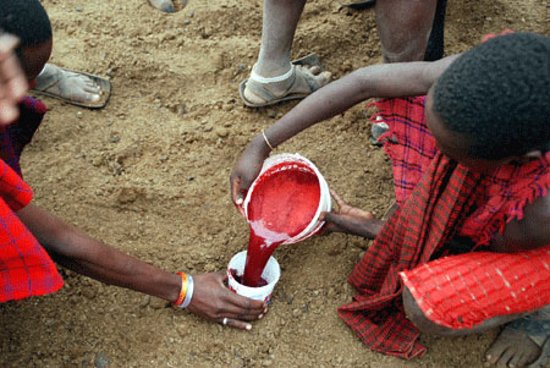
The Maasai drink blood
Yes, the Maasai drink fresh blood. Living along with their livestock has made them practice survival tactics like this. And the most interesting part is that they take blood from live cattle. How do they do it? They make an incision on the jugular artery (blood vessel around the neck) and draw blood.
With their innate care for cattle, they don’t do this often. They only drink blood when they’re sick or after giving birth. Their belief? The fresh blood will replace blood lost after birth. It truly will.
They name newborns after three months.
The Maasai don’t name their children during pregnancy, like in many world cultures. Instead, they wait until it is born. And before naming, they isolate the baby from the external world for three months. The mother is not allowed to take it out before being named.
The naming is often accompanied by celebration in the community to welcome the newborn. They will slaughter a cow to celebrate. They will also gather at the household for dance and other activities meant for celebrating an infant.
The word “Maasai” means “people who speak Maa.”
The Maasai tribe speaks a unique mother tongue called the Maa language or simply the Maasai language. Therefore, their language defines them. The resemblance of their language to the Latuko language spoken in Southern Sudan suggests that these herdsmen originate from the Nile Valley, probably in present-day Sudan.
And their Maa language bears the names of various tourist attractions in Kenya and Tanzania. Here are a few examples: The Serengeti got its name from the Maa word “Siringit,” which means “land that runs forever.” The Amboseli (a national park in Kenya) is a Maasai word for sawdust, and the word “Ngorongoro” means bowl in the Maasai tribe language.
Livestock is a measure of wealth and prestige.
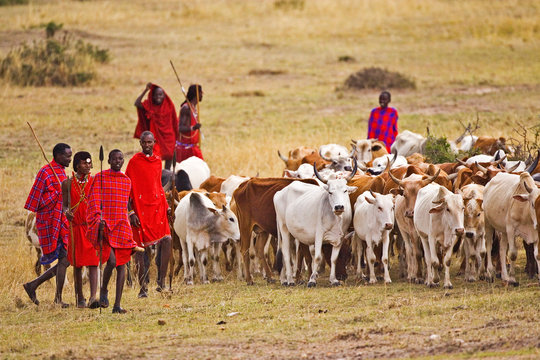
Families with large herds of cattle are considered wealthier than those with a small herd. Their heart beats around cattle. Their long-term connection with cattle has made them believe that God created cows only for them. This has caused them to raid other tribes to seize their livestock.
This cattle-raiding habit has faded away thanks to modern civilization. Back then, they had long-term enmity with tribes like the Datoga and the Sukuma. The Morans moved to neighboring regions to bring cattle, which would result in deadly fights between the raiders and the owners.
The Maasai never hunt for food, but for pride.
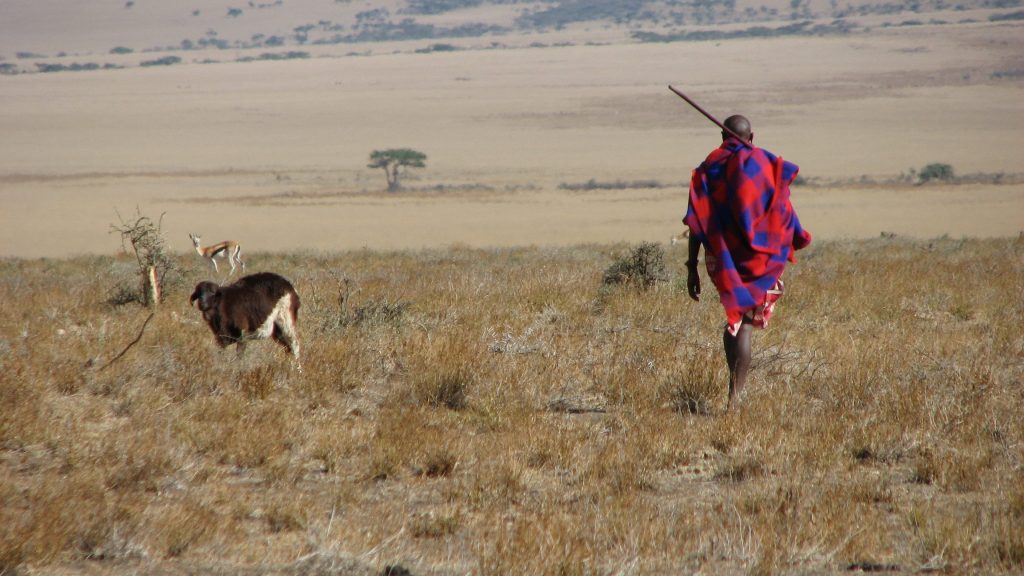
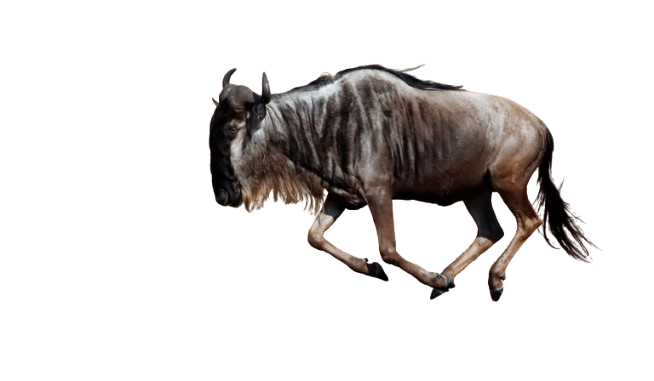
The Maasai never hunt wild game for food. They rely heavily on their livestock for food. This habit tells a beautiful story of how these people can graze their cattle alongside wildebeest with no problem. They have played an important role in protecting games in the wild for so long.
However, the Maasai have a belief in bravery when a man kills a male lion. They would go to search for the maned lion, and whoever killed it was considered a hero. The decline in lion population has forced a stop to this destructive behavior, thanks to organizations that intervened to reduce conflict between the Maasai and lions.
The Maasai do not bury their deceased individuals.
It sounds strange, but this tribe lived with this custom for so long. They covered the dead body with oxblood and left it exposed in the wilderness for scavengers to feed. They believed that burying the dead would spoil the soil. Only a few top leaders were buried. However, in the present day, most Maasai communities have turned this belief down and are burying their deceased like other societies.
They are nomads.
Picture the way wildebeest, zebra, and gazelle move to find pasture and water. The Maasai do the same. But their migration is mainly driven by the search for water and pasture for their livestock. Before they move, they send a group of Morans to spy on the new area.
Once the location is confirmed, they will move with their belongings. This is possibly the reason they don’t build permanent houses. Because migrations always happen after a couple of months.
The women build the huts.
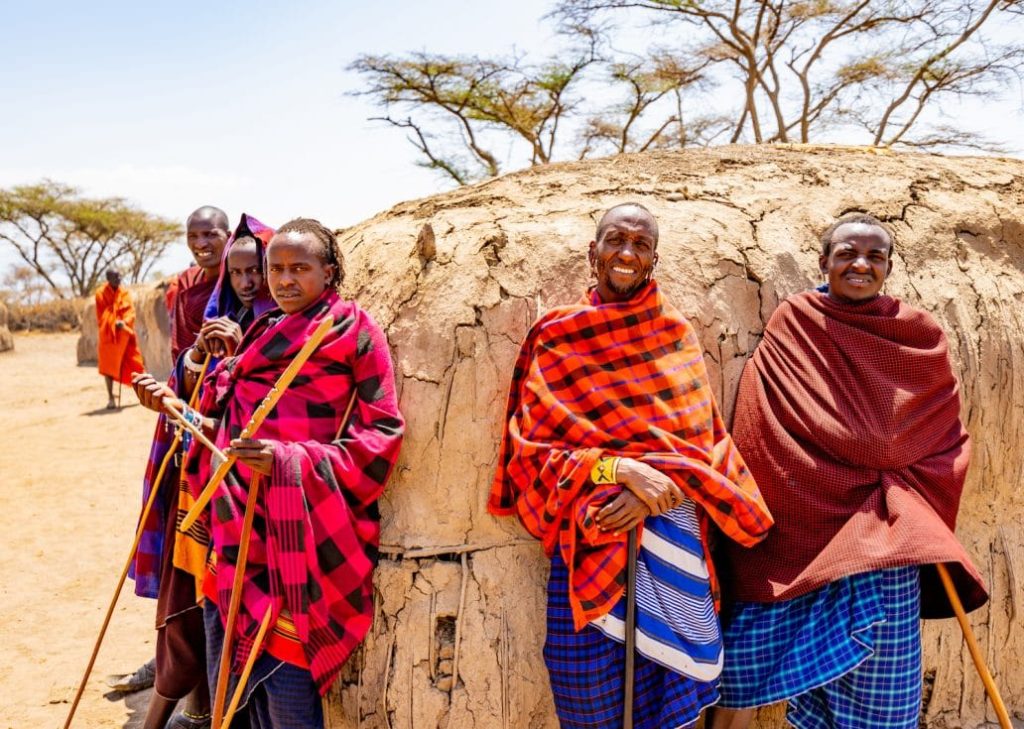
It may be surprising, but it’s a fact. During migration, men often take care of the cattle and other issues. Women are responsible for building the huts. The huts are built using cow dung, wood, and grass in a unique design. All huts circle, leaving a space at the center. They usually use that space for traditional ceremonies, like initiation ceremonies.
The higher you jump…
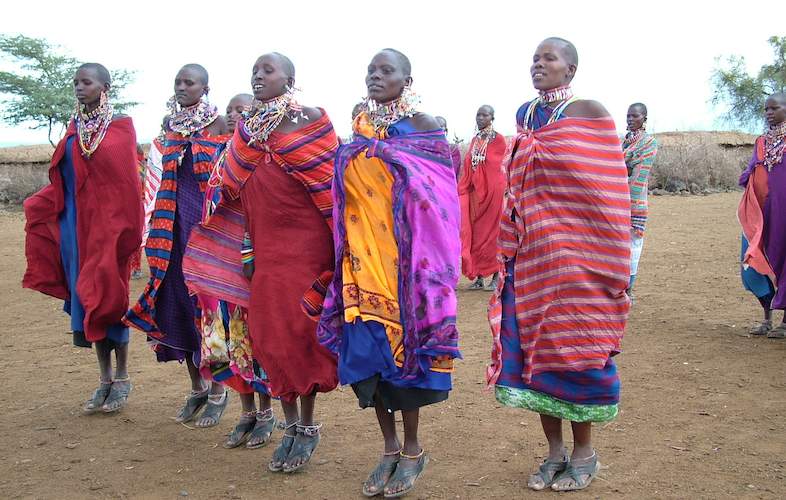
Well! The Maasai have their signature dance, the Adumu dance, which involves jumping accompanied by jiggling sounds of beads and songs. And something is interesting about it. The Maasai believe that men who jump higher are stronger than those who jump lower. To their surprise, these men earn more respect from their possible fiancée. So, jumping higher is not just for entertainment, but also to show strength.
The bottom line.
The Maasai are welcoming people; their hospitality to visitors is unmatched. On top of that, they’re amazing conservationists protecting wildlife and landscapes. On your next adventure to Tanzania, you should plan to spend time with these amazing people.
We organize Maasai village visits for our visitors, whether you want it as a package or an optional activity. Are you ready for your next Tanzania adventure? Reach out to our expert safari planners.