What To Know Before Visiting Tanzania?
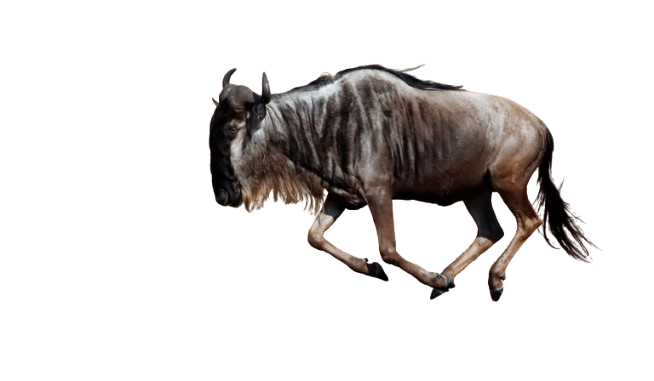
What To Know Before Visiting Tanzania, Setting off for a Tanzania safari is a life-changing decision. Whether you want to witness natural wonders like the wildebeest migration in Serengeti or climb Kilimanjaro, you will always enjoy your time in this glorious nation. But what should you know before heading to this East African country? We discuss several aspects you should be aware of before you go and during your safari in Tanzania.
Tanzania entry requirements
Tanzania requires three documents: your passport, a visa, and proof of yellow fever vaccination. You may also need an insurance policy. We explain every credential down below.
- Passport: Your passport has to be valid for at least six months and have at least two blank pages for stamps.
- Tanzania Visa: The best way is to start your online application at least a month in advance.
- A proof of yellow fever vaccination: This requirement applies to visitors coming from or transiting from a yellow fever risk country.
- A mandatory travel insurance from Zanzibar Insurance Corporation (ZIC) if you plan to visit Zanzibar during your visit.
The best time to visit Tanzania
The best time depends on what you want to experience. The long dry season (June to October) is always the best time to visit Tanzania. You can do a lot of adventures in this time. Here are some highlights during the long dry season:
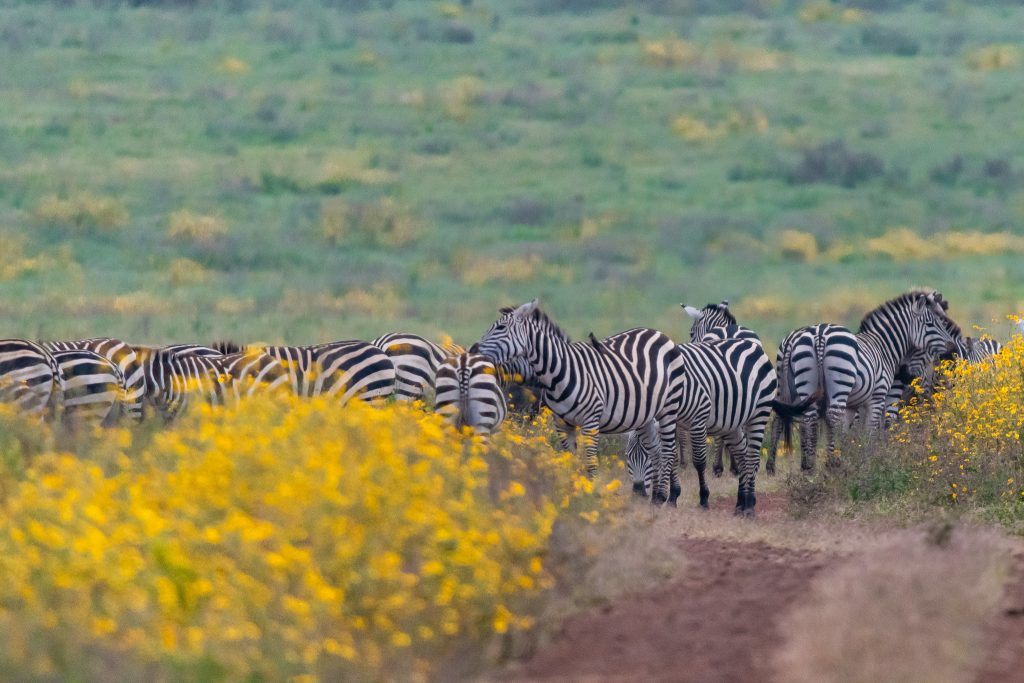
- The Great Migration reaches its pinnacle between July and August when the herds start crossing the giant Mara River.
- This time is perfect for climbing Mount Kilimanjaro due to clear skies, stable weather, and dry hiking trails.
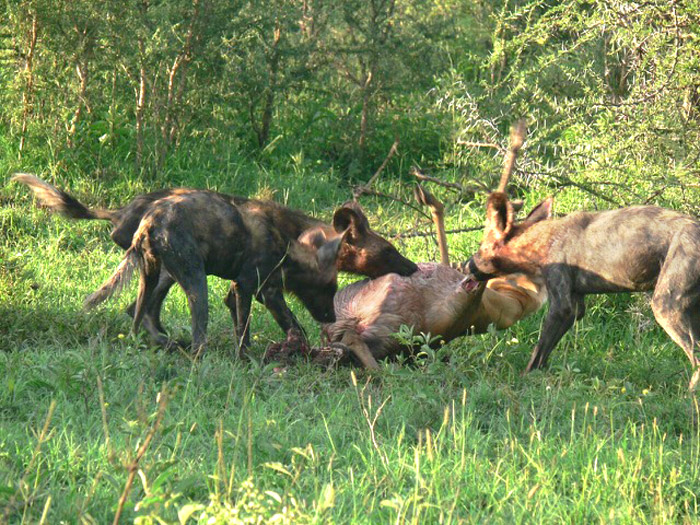
- June to October is the best time for a wildlife safari.
- There’s less rainfall, calmer winds, and cool temperatures in Zanzibar. This allows unforgettable beach experiences.
The short dry season (December to mid-March) is also the best time to visit Tanzania. Here are the highlights during the short dry season.
- The calving season in the south of Serengeti gives birth to about 500,000 calves in just two months. You can witness hundreds of thousands of newborns and so many predatory actions.
- This time is perfect for hiking Kilimanjaro with no crowds. The trail turns out to be more scenic after brief showers in November.
- Game viewing is unmatched. The trails are dry and there’s a scenic landscape, offering photographic opportunities.
- Birdwatching is an added advantage as migratory birds settle in the wilderness to breed.
Safety during your Tanzania safari.
Your safety should be your first and foremost concern. Tanzania is a safe safari destination, known for welcoming cultures and a calm political atmosphere. However, crimes are sometimes evident in crowded cities and towns. The good news is that visitors are not the primary targets. Here’s how to stay safe while you’re on a Tanzania safari.
- Leave your valuables at the hotel’s safe before visiting crowded areas like markets, transportation hubs, and beaches.
- Avoid walking alone in isolated places during the night.
- Always use trustworthy transport vehicles or request online from platforms like Bolt.
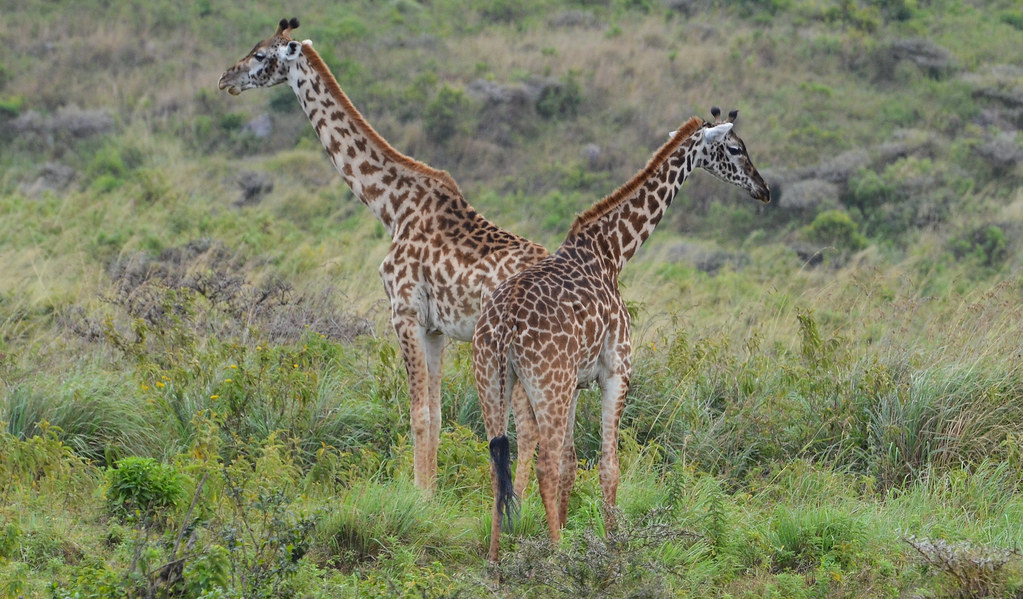
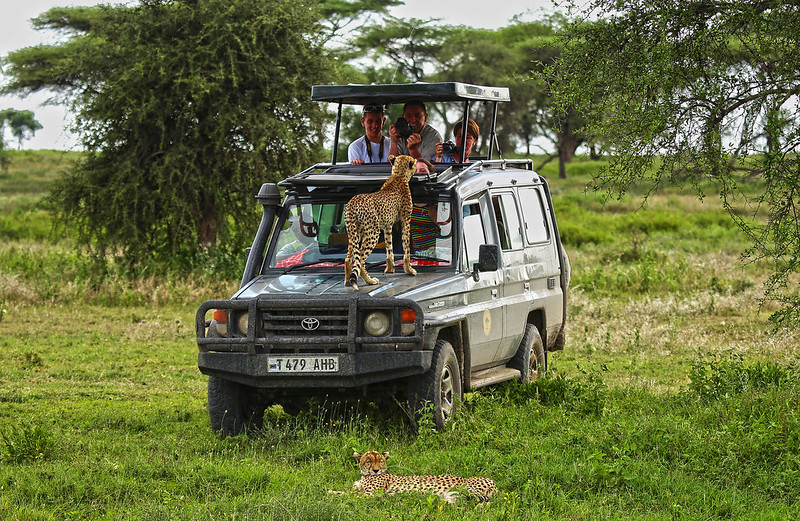
- While in the wilderness, do not step out of the safari vehicle unless the guide tells you to.
- Walk out whenever you feel something is not right. It probably is.
Health
It’s important to immunize before traveling to Tanzania. But before you do it, we recommend that you check in with a doctor for a recommendation. We recommend vaccines for cholera, typhoid, hepatitis, tuberculosis, and COVID-19. As we mentioned earlier, a yellow fever vaccination is compulsory for anyone coming or transiting through a yellow fever transmission risk country.
Health tips.
- Avoid tap water at all costs. Contamination is common.
- Eat well-cooked food when visiting locals.
- Avoid swimming in unsafe beaches (like some on Lake Victoria).
- Always wash and peel fruits before you eat.
- And more importantly, do not forget to bring mosquito repellent.
Culture
The majority of Tanzanian people are conservative, especially along the coast and in Zanzibar. So, it’s important to treat them with some respect, especially when visiting them. Here are some tips:
- Dress modestly when visiting households or places of worship.
- Avoid taking photos of people or buildings without their consent.
- Never take photos of military buildings.
- Speak politely, especially when interacting with elders.
- Learn a few Swahili words like Jambo (hello), asante (thank you), Kwaheri (goodbye), etc.
Money and currency
Tanzania accepts payments made through credit cards, not debit cards. Carrying some cash can be a bit of help because it can settle some transactions, such as village fees, tips, and when buying souvenirs and ornaments in the markets. Make sure your US Dollar notes are not older than 2006.
Final word.
Now you know something ahead of your Tanzania safari. Next up is to start planning your dream adventure. Our safari planners can craft your itinerary within a few minutes. Please give us a call.