When Is the Best Time to Visit Serengeti National Park?
When Is the Best Time to Visit Serengeti National Park, Serengeti National Park is one of Africa’s most celebrated safari destinations, famed for its endless plains, rich wildlife, and the spectacular Great Migration. Located in northern Tanzania, Serengeti spans over 14,700 square kilometers and is part of the larger Serengeti-Mara ecosystem, which also includes Kenya’s Masai Mara and several surrounding reserves. The park offers a front-row seat to one most dramatic wildlife spectacles on the planet, where millions of wildebeest, zebras, and gazelles move rhythmically across the plains in search of fresh grazing. Moreover, Serengeti boasts some of Africa’s largest predator populations, including lions, cheetahs, and leopards, and over 500 recorded bird species. While the park offers excellent game viewing year-round, the best time to visit depends on what you want to experience, whether it’s river crossings, calving season, predator action, or fewer tourists.
Understanding Serengeti’s seasons is essential to planning a safari that aligns with your safari goals. For instance, the Serengeti has two main seasons: the dry season (June to October, and January to February) and the wet season (March to May, and November to December). Each season shapes the park’s landscape, wildlife behavior, and visitor numbers in unique ways. Our guide below helps you decide the best time to explore the Serengeti based on migration timing, activities, climate, and other factors to consider.
The Best Time to Visit Serengeti National Park by Season;
Dry Season: From June to October and January to February
The dry seasons are generally regarded as the best time to visit Serengeti National Park for classic game viewing and easier wildlife spotting. During the dry seasons, vegetation is thinner, animals congregate around water sources, and the likelihood of seeing predators on the hunt is much higher.
Serengeti National Park from June to October
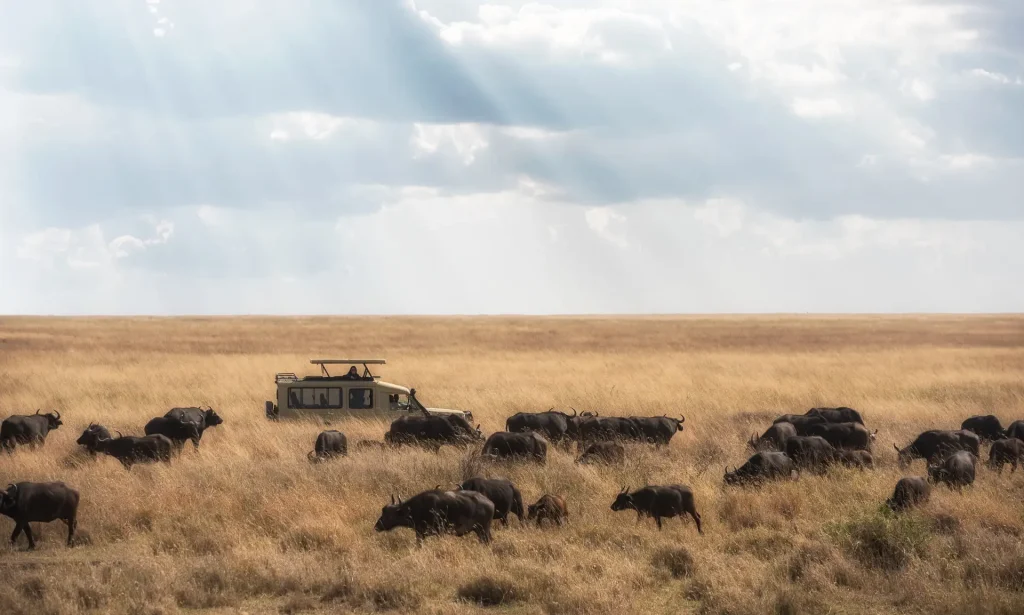
The period from June to October is the heart of the dry season and the high tourism season in Tanzania. Wildlife viewing is consistently excellent throughout these months, and visibility is at its peak because the grass is short and animals stay close to rivers and waterholes, making it easier to spot them.
Moreover, in June, the migration herds start moving northwest toward the Grumeti River, kicking off the westward migration. This area offers remarkable viewing of large herds and predator encounters.
July and August are peak months for witnessing the Mara River crossings in the northern Serengeti, where wildebeest face strong currents and lurking crocodiles. This is one of the most dramatic and photographed events in the entire Great Migration cycle. These months are dry, sunny, and comfortable, though they also attract the largest crowds and come with higher lodging prices.
By September and October, many of the herds remain in the northern Serengeti or spill over into the Masai Mara in Kenya. Nonetheless, wildlife viewing is still excellent, and the park is slightly less crowded than in July and August.
Serengeti National Park from January to February
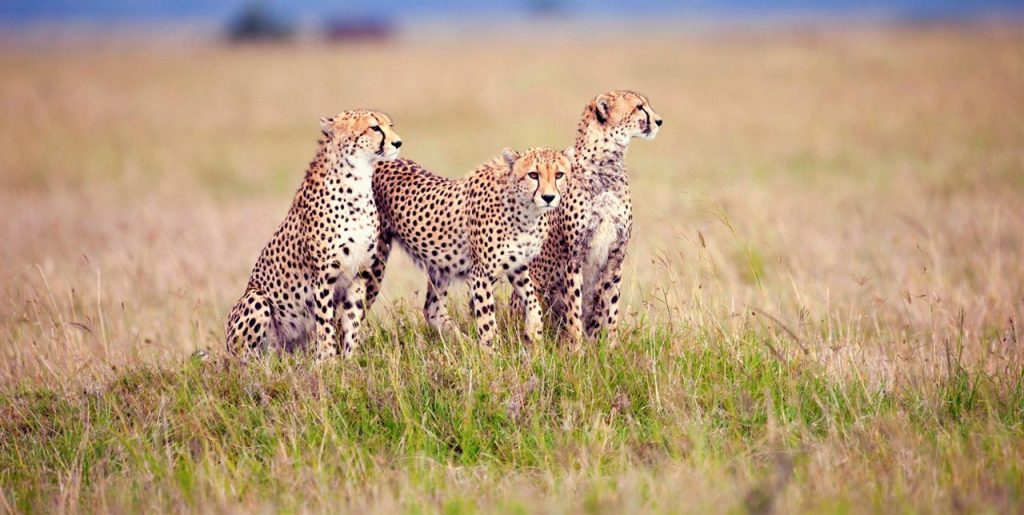
This short dry window follows the short rains from November to December and marks the calving season in the southern Serengeti and Ndutu region. During this time, wildebeest give birth to over 400,000 calves in just a few weeks. This abundance of vulnerable newborns draws in large numbers of lions, hyenas, leopards, and other predators, making this a great time to witness predator-prey interactions and dramatic chases in the open plains.
On the other hand, the Park’s landscapes are lush and green, and the conditions are ideal for photography. This period is also a less crowded time compared to the long season from June to August. Moreover, these dry seasons are ideal for first-time safari-goers keen on maximizing their chances of seeing the Big Five and witnessing the Great Migration unfold.
Wet Season: From March to May and November to December
While often overlooked, visiting Serengeti National Park during the wet season offers its own set of advantages. The rains bring life to the plains, creating a lush and vibrant backdrop for wildlife. Moreover, lodging rates are lower, lodges have more availability, and the park is generally quieter, offering serenity and intimate experiences.
Serengeti National Park from March to May
This period marks the long rainy season in Serengeti National Park, characterized by heavy downpours, especially in April. Some areas of the park become muddy and challenging to access, while a few lodges may also close temporarily. However, this is also one of the most rewarding times for birdwatching in the Serengeti, as migratory birds arrive in great numbers.
Game viewing is still possible with resident wildlife remaining, including lions, elephants, giraffes, and hyenas, but spotting them may take longer due to thicker vegetation and unclear views.
Nonetheless, for travelers looking for a peaceful, budget-friendly Serengeti experience and are willing to contend with the occasional downpour, this can be a surprisingly satisfying time to visit.
Serengeti National Park from November to December
This is a short rainy season in the Serengeti, and the short rains from late November and early December help rejuvenate the park’s landscape after the dry stretch. These showers are typically brief and don’t significantly affect game viewing and other activities.
However, this period also marks the beginning of the Great Migration’s return from Kenya as wildebeest begin moving south through the eastern and central Serengeti, eventually reaching the southern plains. Wildlife is active, the scenery is fresh and photogenic, and crowds remain moderate. It is the best time for travelers who want to avoid the crowds but still enjoy active wildlife movement and lower rates.
Key Factors to Consider When Choosing the Best Time to Visit Serengeti National Park
Deciding on the best time to visit Serengeti National Park depends on your safari priorities, whether you are chasing the drama of the Great Migration, seeking tranquil landscapes, or avoiding peak-season crowds.
-
The Great Migration
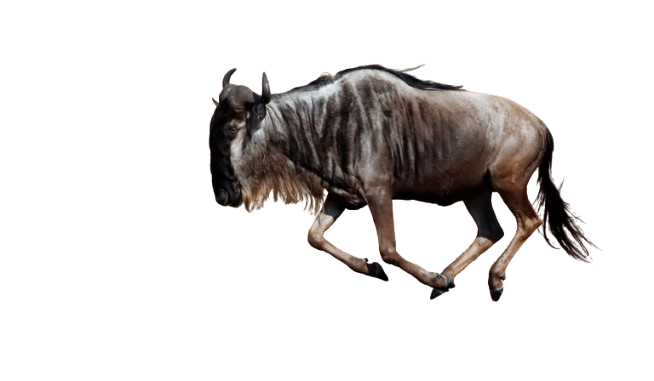
If your goal is to witness the Great Wildebeest Migration, timing is critical since the herds move in a predictable but rain-dependent loop throughout the year. Between mid-May and July, the migration sweeps into the Western Corridor, where wildebeest gather to cross the Grumeti River, a powerful, crocodile-filled obstacle that creates dramatic scenes. From July to September, the herds push north into the Mara River region, where high, fast-flowing waters and steep riverbanks make for the most iconic and heart-stopping crossings. This northern movement attracts large predators and tourists alike, so it is a busy time to visit.
For a completely different kind of migration experience, consider the calving season, which takes place in January and February in the southern Serengeti and Ndutu Plains. During this time, over 400,000 wildebeest calves are born, and the abundance of vulnerable newborns draws in predators, offering unmatched predator-prey viewings, especially involving lions, cheetahs, and hyenas. This period is also popular with photographers for its dramatic light and active wildlife scenes.
-
Beyond the Great Migration
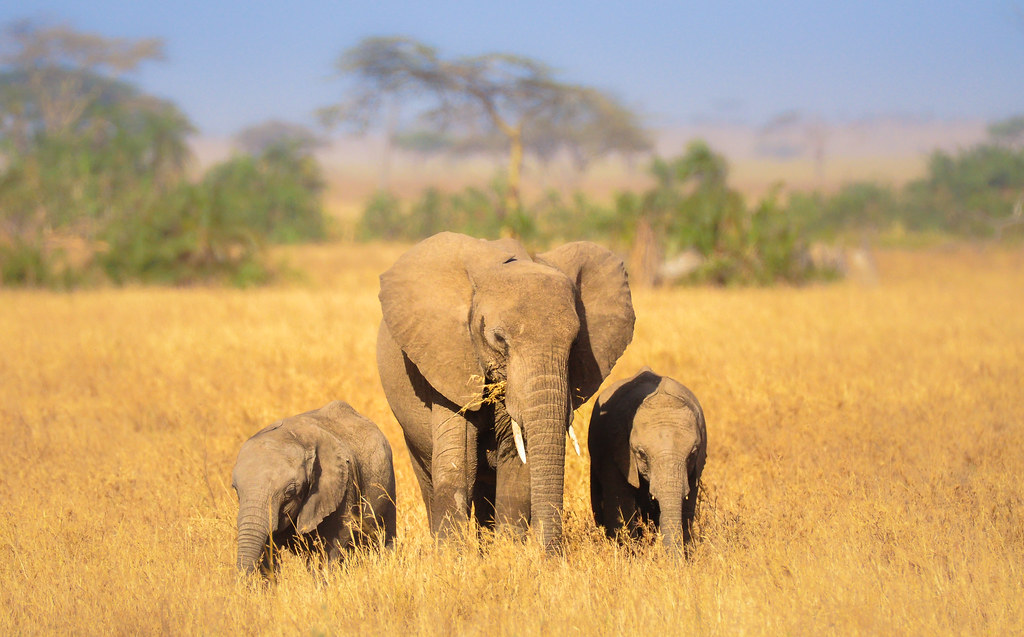
But Serengeti National Park isn’t just about the migration. Resident wildlife, including elephants, lions, giraffes, hippos, and leopards, can be seen throughout the year, particularly in the central Seronera region, which benefits from permanent water sources. Hot-air balloon safaris offer sweeping views of the plains at sunrise, while walking safaris in select areas give visitors the chance to connect with nature on foot, guided by expert rangers.
-
Crowds and Rates
Visitor numbers and lodge rates in Serengeti National Park also vary with the seasons. The dry season, especially from June to October, is the busiest and most expensive time, offering prime game viewing but also attracting large crowds, particularly during river crossing months. If you prefer a more exclusive, peaceful experience, the low season between March and May offers excellent value. This is the period of long rains, when the plains are lush, and the skies are dramatic. However, the park sees fewer visitors, and lodge rates are often discounted, making it a favorite time for birdwatchers, photographers, and repeat travelers.
-
Seasonality
Serengeti has a relatively mild, temperate climate year-round, with daytime temperatures averaging between 24°C and 34°C. Mornings during the dry season can be cool, especially in higher elevations, so layered clothing is advised. On the other hand, the wet seasons from March to May and November to December may bring short, heavy rains, but they also transform the landscape into a green, vibrant canvas and encourage animals to gather near water sources. While some roads may become muddy and certain areas temporarily inaccessible, the park remains open, and wildlife is still abundant.
Conclusion
So, when is the best time to visit Serengeti National Park? The honest answer depends on what you would like to experience. If your dream is to witness the Great Migration River crossings, aim for July to September in the northern Serengeti. If you’re drawn to the miracle of new life and the drama of predators during the calving season, January and February in the southern plains are ideal. For lush scenery, solitude, and lower rates, the green seasons from March to May and November to December offer a different kind of magic.
Ultimately, Serengeti National Park is never out of season. With the right expectations and planning, you can enjoy world-class wildlife viewing at any time of year. Your best time to visit is the one that aligns with your safari goals and leaves room for a few wild surprises along the way.