What Activities Can I do in Serengeti National Park?
Introduction to Serengeti National Park
What Activities Can I do in Serengeti National Park? Nestled in northern Tanzania’s Mara and Simiyu Regions, Serengeti National Park is the heart of East Africa’s wilderness, where ancient rhythms guide migrating hooves, echoes of roaring lions through acacia dawns, and golden grasses roll beyond the horizon. Established in the mid-20th century, the park protects one of Africa’s most iconic ecosystems spanning over 14,750 square kilometers. Serengeti National Park is part of the larger Serengeti-Mara ecosystem and shares borders with Kenya’s Masai Mara to the north and Ngorongoro Conservation Area to the southeast.
Renowned for sweeping savannahs, kopjes, rocky outcrops, Serengeti rivers and swamps, the UNESCO World Heritage Site is a living collage of plains, rivers, rocks and rich wildlife scattered across zones like Seronera, Ndutu, Grumeti, and the northern corridor. Located about 355 kilometers from Arusha, Serengeti is accessible both by road (about 7 hours) and charter or scheduled flights to airstrips such as Seronera, Kogatende, Ndutu, or Grumeti.
What is Serengeti National Park Famous For?
Wildlife in the Serengeti
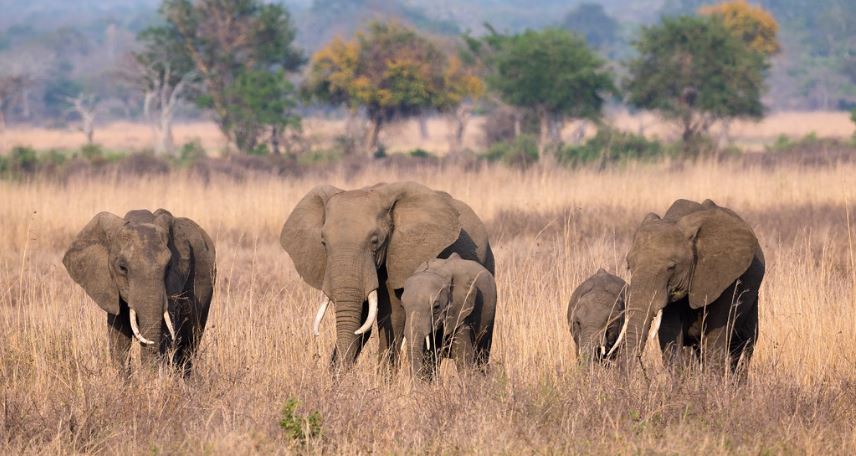
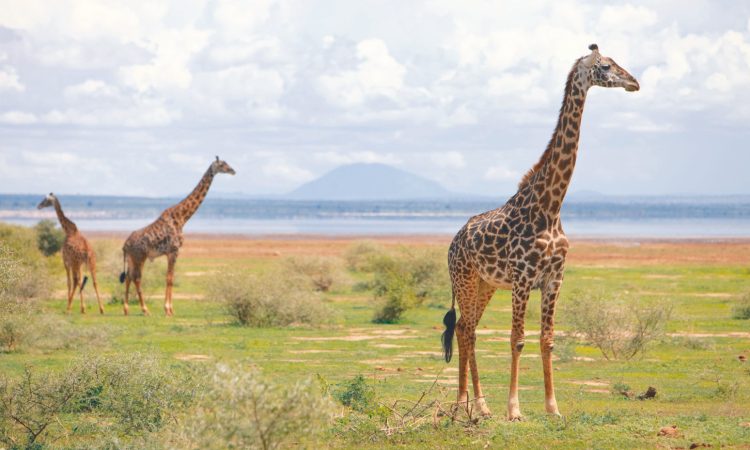
Serengeti hosts perhaps the world’s highest concentration of large mammals and cats. The park is home to more than 70 large mammal species and over 540 recorded bird species. You may encounter the famous Big Five (lions, leopards, elephants, African buffalo, and black rhino) alongside herds of wildebeest, zebras, giraffes, hippos, impalas, gazelles, and hyenas.
The Seronera Valley, in the central region of the park, offers a stunning year-round density of wildlife, particularly big cats. Tourists are treated to predator-prey drama daily; lions lounging on kopjes, leopards draping themselves across tree limbs, and elephants marching through riverine forests.
The Great Migration
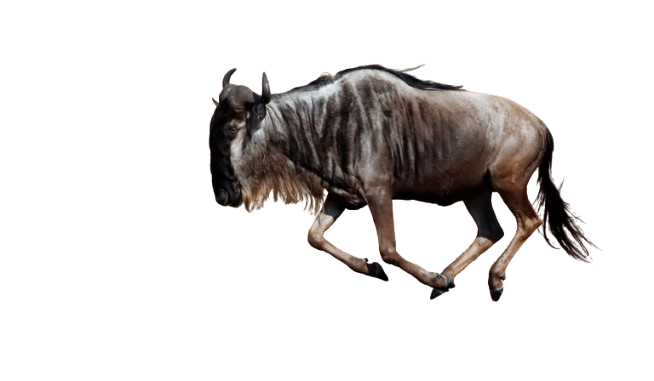
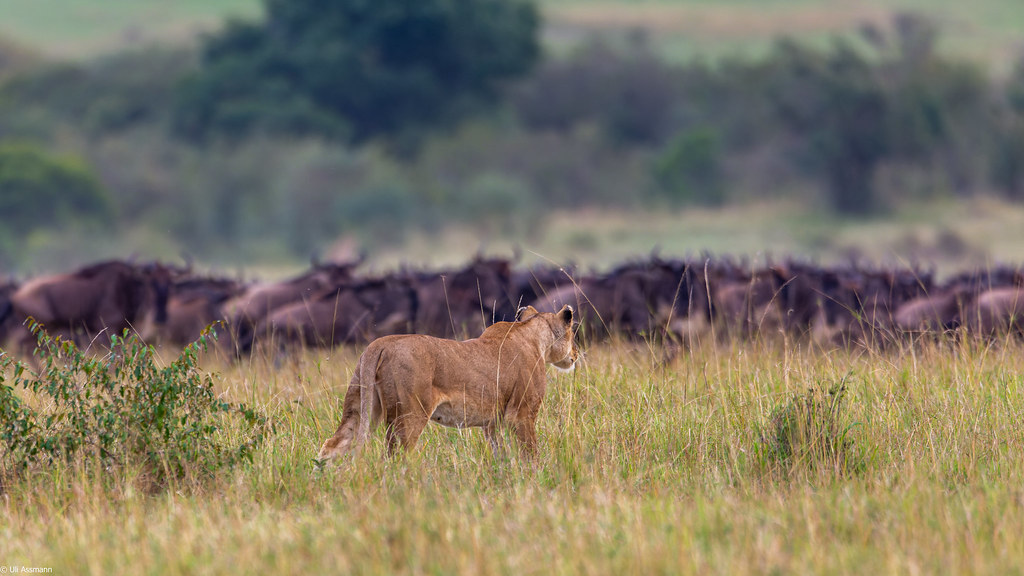
The Great Migration is arguably the Serengeti’s greatest wildlife spectacle: over 1.5 million wildebeest, 250,000 zebras, and over 400,000 gazelles follow a cyclical journey of nearly 800 km across the Serengeti–Masai Mara ecosystem in search of fresh pastures. The cycle begins between January and March, as the Southern Plains of Ndutu and Ngorongoro burst to life with the calving season. Thousands of wildebeest calves take their first steps, while predators like lions and leopards prowl nearby.
As May rolls into June, the herds begin their journey westward toward the Grumeti River in search of fresh grazing. Though less famous than the Mara River crossings, the crossings are still intense as massive Nile crocodiles lie in wait beneath the river’s muddy surface. Come July through September, the wildebeest face the riskiest leg of their migration at the legendary Mara River crossings in northern Serengeti and Masai Mara. It is here that the migration’s most cinematic moments unfold as herds leap into crocodile-infested waters, while predators patrol the banks.
By October, the surviving herds begin their slow southward return, trailing behind receding rains, feeding on the regenerated grasses of the central and eastern plains. As the year ends, the cycle closes only to begin again.
Birdlife in the Serengeti
With over 500 recorded bird species, Serengeti National Park is a birder’s dream landscape, alive with color, movement, and song. From acacia woodlands to seasonal wetlands, granite kopjes, and open savannahs, each habitat in the park hums with avian diversity. The Ndutu region alone is home to nearly half of the park’s bird species – a hotspot for both resident and migratory birds.
Species here include endemics such as the grey-breasted spurfowl, Fischer’s lovebird, and the Rufous-tailed weaver. Other species to look out for in the Serengeti include the Secretary bird, Serengeti specials such as the lilac-breasted roller, and Verreaux’s eagle-owl. From November to April, the Serengeti becomes a stage for migratory visitors from Europe and North Africa. This period is the peak birding season with a lot of bird activity, from nesting to breeding displays, and vibrant plumage.
What Activities Can You Do in Serengeti National Park?
Safari Game Drives
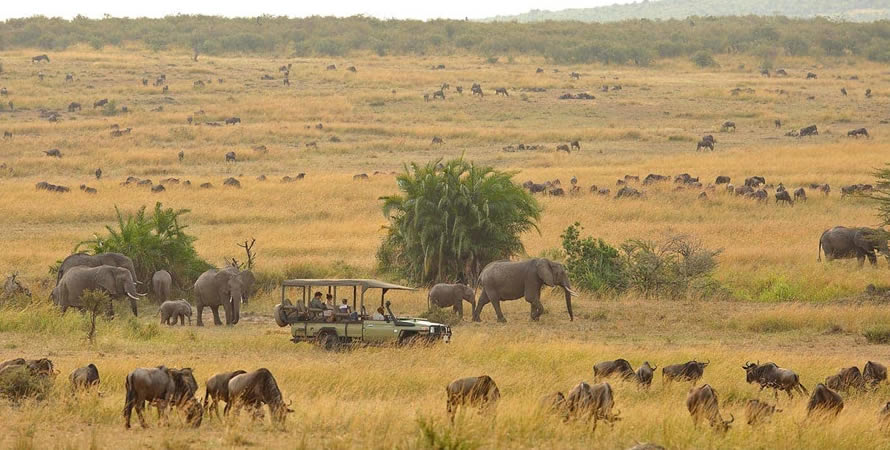
The quintessential Serengeti adventure begins with a safari game drive to explore its endless plains. Safari game drives in the Serengeti are guided expeditions in open 4×4 vehicles across the park’s richly diverse regions, including Seronera, Northern, Central, Southern, and the Western Corridor. These expeditions take place in the early morning from as early as 6 am, in the late afternoon, or as full-day journeys, tailored to track wildlife movement and migratory patterns.
Expect close-up views of the Big Five (lion, elephant, leopard, buffalo, and the black rhino) along with cheetahs on the prowl, giraffes, topi, impalas, and other antelopes browsing acacias, and vast herds of wildebeest stretching into the horizon. If timed right, you will witness the Great Migration River crossings, a spectacle of dust, fear, and primal instinct.
On the other hand, morning drives are often the best times to spot active predators on the hunt, while afternoons slow into golden-lit encounters. The game drives last between 3 to 4 hours and are guided by professional guides with exert knowledge of the park.
Walking Safaris
For those who seek a more intimate and grounding experience, walking safaris offer an immersive way to explore the Serengeti. Accompanied by armed rangers and expert naturalists, these 3 to 4-hour treks unveil the quieter details of the park as you explore animal tracks, medicinal plants, insects, and bird calls that game drives might overlook.
The walks are conducted in low-impact zones like parts of the Western Corridor, Grumeti Reserve, or private concessions, giving you access to less-traveled paths with abundant discoveries. These walks must be arranged through licensed lodges or camps and follow strict conservation guidelines.
Hot Air Balloon Safaris
Drift silently above the waking wilderness in a hot air balloon safari, one of the most magical ways to experience Serengeti National Park. Here, you will take to the skies in a hot air balloon over the park’s landscape. Lift-off typically happens around 5:00 a.m., as the plains blush under first light. Below, you can spot the migration herds, and other wildlife move like ripples across the grass, as predators also stretch long.
The hot air balloon safari lasts about one hour, accompanied by a luxurious bush breakfast and champagne under acacia trees. A hot air balloon experience over the Serengeti is a bucket-list experience ideal for photographers, honeymooners, or those chasing a unique adventurous perspective.
Maasai Cultural Experiences
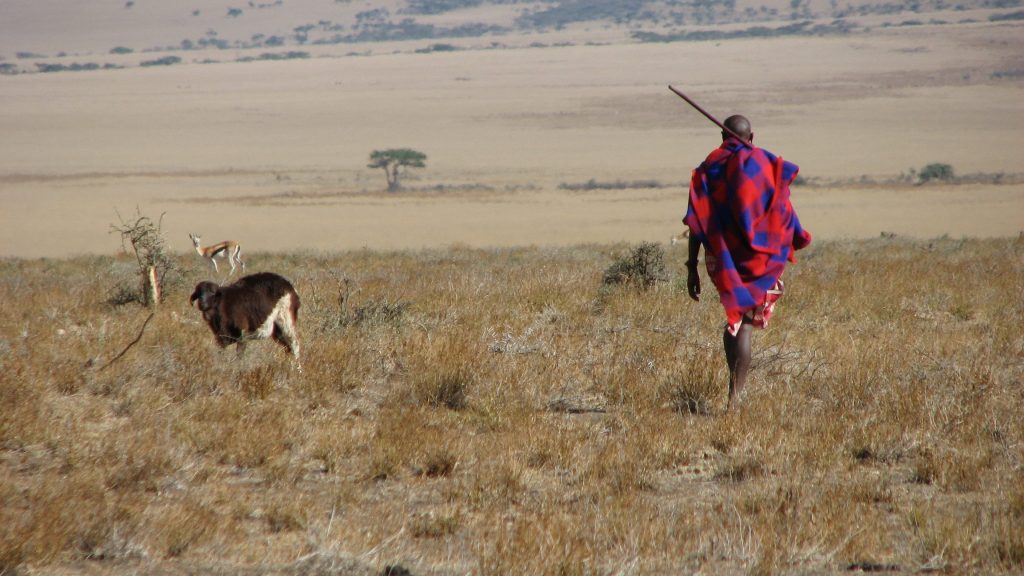
Serengeti National Park lies within the Maasai region, home to the legendary Maasai people. Step into the living heritage of the ancient nomadic pastoralists by visiting a traditional manyatta on the outskirts of the park. Engage with Maasai warriors and learn about their history, tradition, and explore their descent through traditional dances, tales, and beadwork.
Visitors may also taste local cuisine and discuss how pastoralism and modern conservation now intertwine in their region.
Bush Meals and Sundowners
These are the best ways to unwind, especially after a long day of safari. As the day closes, Serengeti camps and lodges offer sundowners and bush dining under open skies. Imagine sipping a chilled drink as the sun sinks into the plains, casting long shadows of wildlife and acacias. Later, a private bush dinner awaits under a canvas of stars above, a crackling fire, and a table set with local dishes like nyama choma, lentils, and chapati.
Most luxury lodges and mobile camps in the Serengeti include sundowner sessions and bush meals in their packages, offering guests a deeply immersive and romantic wild evening.
Birdwatching Excursions
The Serengeti is a birdwatcher’s paradise, with over 500 species flitting through its skies. For dedicated birders, there are slow-paced excursions with expert guides who focus on spotting endemic and migratory species like the secretary bird, kori bustard, Fischer’s lovebird, lilac-breasted roller, and seasonal flamingos.
Key birding zones in the park include Ndutu, Seronera, and Moru Kopjes, where diversity is at its peak. The best time for birdwatching in Serengeti National Park is between November and April, when migratory birds from Eurasia and North Africa arrive, and local species display their breeding plumage.
Visit Olduvai Gorge
Located just outside the park’s southeastern boundary on the way to Ngorongoro Crater, Olduvai Gorge is one of the most significant paleoanthropological sites on Earth. Here, famous archaeologists Louis and Mary Leakey uncovered fossils of early hominins dating back more than 2 million years, such as Homo habilis.
Visitors can tour the Olduvai Museum, see excavated sites and fossilized footprints, and gain insight into the deep human history embedded in East Africa’s ancient soils.