Meet Serengeti National Park: Best Safari Park 2025
Meet Serengeti National Park: Best Safari Park 2025, Serengeti, a true definition of a natural ecosystem, hosts one of the famous natural wonders. Here, wildest moments like high-speed predator-prey chases, animal migration, and a mix of wild sounds will make your day. To cement its kingdom in Africa in 2025, Serengeti claimed two accolades: Africa’s Leading National Park 2025 and Africa’s Leading Big 5 National Park 2025.
Should we doubt this award? No, not at all because it comes from the prestigious World Travel Awards. And if that’s not enough to convince you, how about booking a trip to watch all the magic. We can assure you that next year you’ll vote in its favor. Let’s explore the Serengeti.
The Great Migration
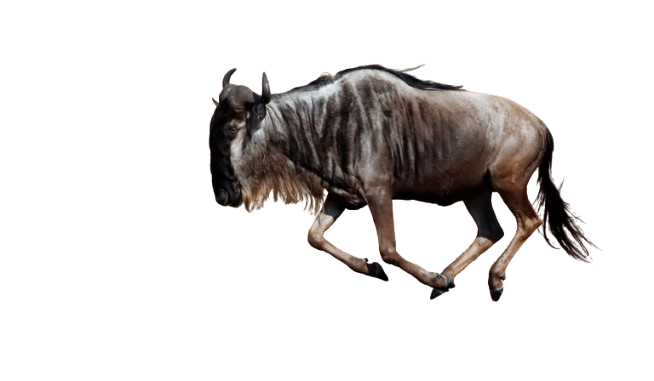
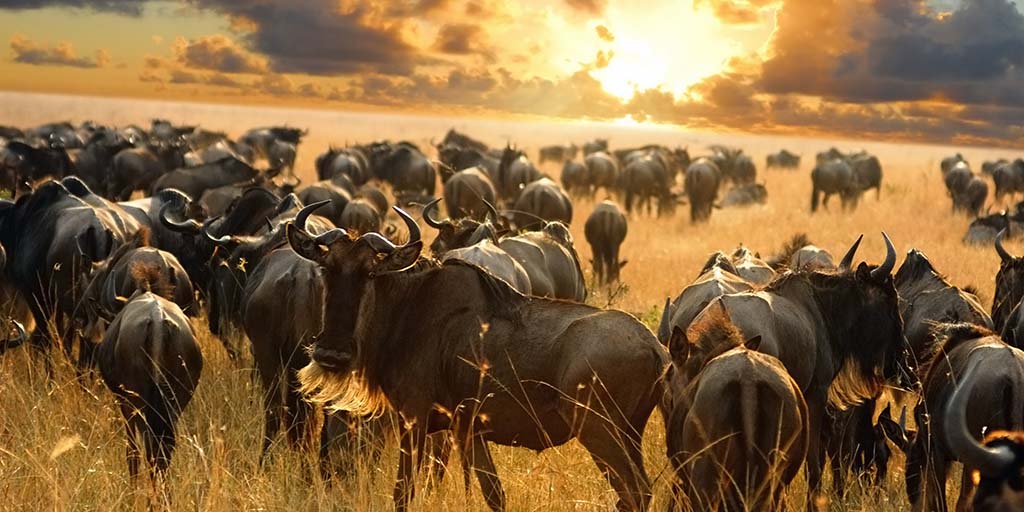
Every year, the Serengeti-Mara ecosystem stages a migration of over 1.5 million hoofed animals that migrate from the south to the north in the search for greener grazing grounds. In this event zebra plays a crucial role in remembering the age-old route, though the wildebeest takes all the credit.
The migration features two wildlife sanctuaries: Tanzania’s Serengeti National Park and Kenya’s Masai Mara National Reserve, but it spends a longer time in the former than it does in the latter. Many nature lovers crave this never-stopping event that, according to history, has been happening for a million years. Here’s a brief guide for this event.
- The animals arrive on the grassy plains in the south of Serengeti in December. They spread to the Ndutu region of the Ngorongoro Conservation Area.
- From January to March, they bring into life half a million calves. We can call it the starter of this great show. And on some days, 8,000 calves are born.
- From April to May (or early June), the herds start heading north via Moru Kopjes to settle in the vast, stretched plains of Seronera. Here, you can see battles between bulls as they vie for females.
- From June to July, animals are in the Western Corridor. They cross the Grumeti River (one of the lesser-known river crossings) and head north.
- By late July to August, Mara River crossings happen. These river crossings are sought after by many nature lovers and filmmakers and can be a bit crowded.
- From September to October, river crossings may continue on the Kenyan side. Then animals spread in the Masai Mara plains.
- November sets in with the onset of short rains in the southern Serengeti. Since animals go after rainfall, they head south, crossing the Mara River, hurrying to calve. The circle restarts.
Our take: The wildebeest prefer calving on the Ndutu and Southern plains because of the nutritious grass growing there from December to March. Geologists say the plains got the soil nutrients from volcanic activity on the Ngorongoro Mountains. Blown by the wind, the volcanic ashes fell on these plains, making them fertile.
The Big Five.
The Big Five is Africa’s pride, and the Serengeti has all animals in the list: the lion, leopard, buffalo, elephant, and rhino. And it won an award in this category. Most guests come to see these animals, whose naming don’t reflect their appearance. They aren’t as you might think. Old-school hunters coined the term “Big Five” to refer to five animals difficult to hunt on foot. Because when cornered, these creatures turn ferociously and would kill the hunter if no one intervened. Here’s a guide for viewing the Big Five in the Serengeti.
- Lions are everywhere in the park. Their concentration is even higher in the central part, in the Seronera Valley. Drive in the kopje-dotted plains where they prefer to lounge.
- Leopards are slightly rare, though Serengeti has an estimated count of 1,000. They have a promising count on the banks of the Seronera River. Always look up an acacia or a sausage tree to spot one, or go for a morning or late evening drive.
- Elephants, the architects of riverine forests and woodlands, are abundant. You can spot them in the Seronera and Lobo. Listen for any tree branches breaking to spot them.
- Buffalos, the black death, live in 400-strong herds in grasslands and woodlands. You can see their blackish appearance from afar. Watch out, solitary bulls are more dangerous.
- Black rhinos are present, but in protected zones in the Moru Kopjes. Occasional encounters also happen in the Seronera and in the north near Sayari Camp, where they cross from the Masai Mara.
Our take: the longer you stay, the higher the chances of encountering a black rhino, which is usually a limiting factor to ticking off all the big five.
Incredible predator population
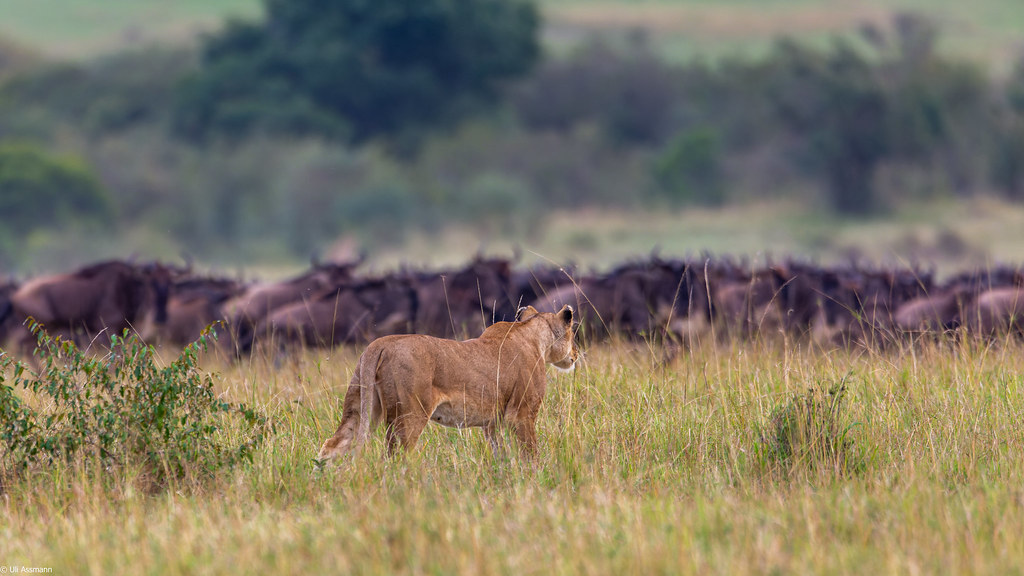
Serengeti is indeed the world’s capital of predators. And the Seronera, which is at the heart of the park, is dubbed the Big Cat Capital. There’s an incredible number of lions (3,000), leopards (1,000), and cheetahs (550). Cheetahs, the fastest land animals, are abundant in the plains south of the Seronera.
You can also find other predators like spotted hyenas, bat-eared foxes, jackals, mongooses, serval cats, genets, and wild cats. Predators always follow the migrating animals on their move to find greener grazing grounds. They spy the fringes of the migration herd.
Our take: Drive in early morning or late evenings to capture predatory movements. Most predators hunt during this time.
Final word.
We are here to help you explore Serengeti National Park. This huge, expansive national park can satisfy your desire to see the Big Five and trek the wildebeest migration. Our planners can craft your itinerary within a few minutes.